
Shame Is the Operating System
The real revolution isn’t televised - it starts inside you. Stop feeding the cycle that runs the world.

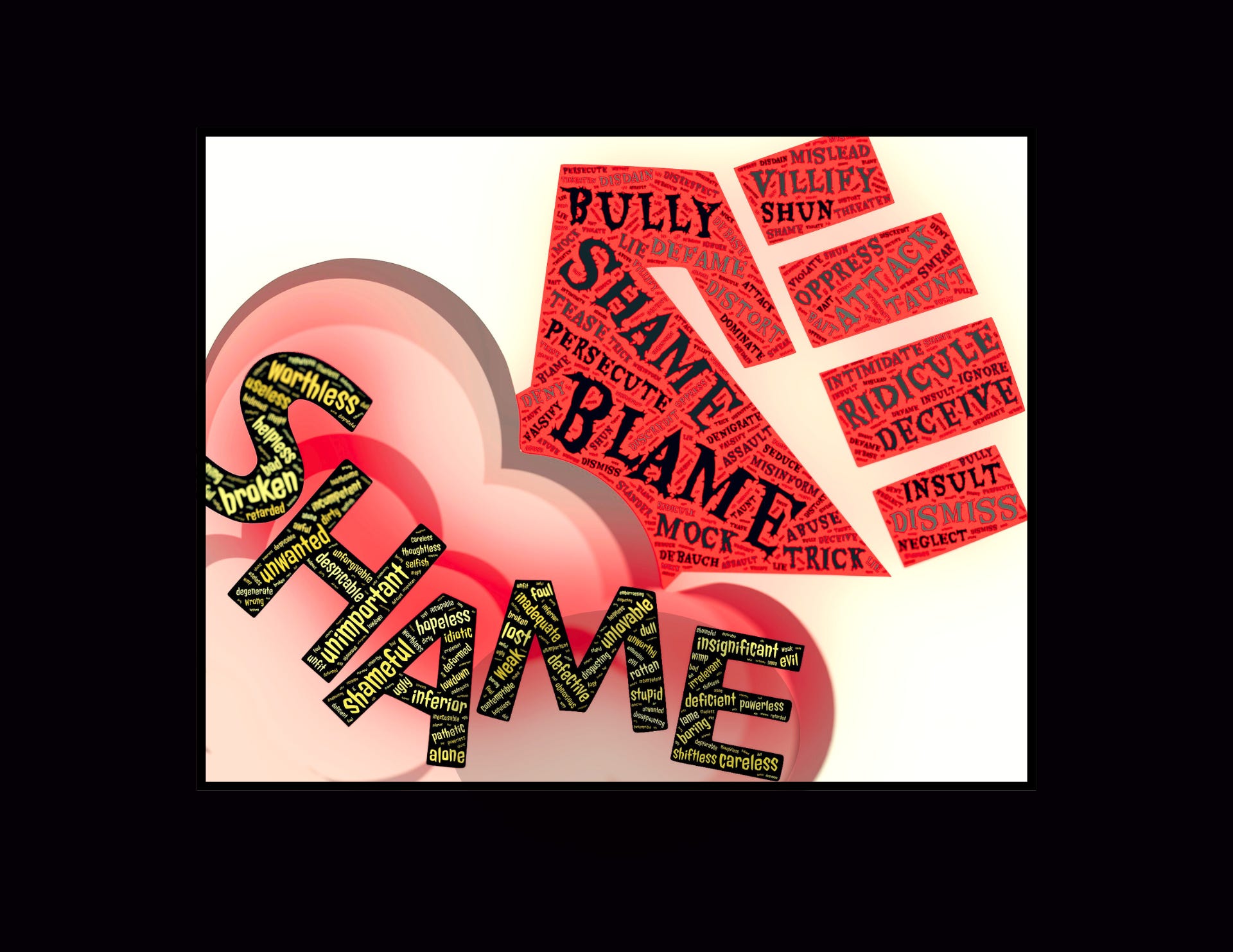
I deleted my comment. Not because I was wrong. I deleted it because my phone wouldn’t stop vibrating. Notifications stacked faster than I could read them. Strangers attacking me. Ad hominem. Moral outrage. Thinly veiled threats. Who do you think you are? All because I asked a question. All because I questioned their cheer-leading narrative.
This is not a glitch in the system. This is the system. You can’t turn off the notifications on purpose. The architecture is designed that way. The goal is saturation. Overwhelm. Submission. When enough people pile on, shame hijacks the nervous system, our animal self shuts down empathy, logic, and perspective. The nervous system goes into full-scale survival mode: fight, flight, freeze, fawn.
That’s not discourse. That’s conditioning.
I deleted the comment to preserve my nervous system. I opted out of the swarm.
Once you recognize the pattern, it keeps revealing itself across different contexts, particulary on social media, and you can’t unsee it. What people call “polarisation” is actually something much older and much more primitive.
It’s shame.
Everyone says money runs the world. I think that’s secondary. Shame is the true quiet engine of control, compliance, and chaos. Shame hijacks perception. It turns disagreement into threat, questions into attacks, exposure into danger. Once shame is activated, logic and empathy go out the window. This is why arguing never works. You cannot reason with a nervous system that believes it’s under attack. Social media just gives these swarms a megaphone, but this is not limited to the internet.
Shaming is something people and systems do to each other, but shame itself is what happens when the explicit or implicit belief “I am not enough” takes hold in the nervous system. If you want a clean, visible example of how shame operates at the individual level, look at Pearl Davis in the recent public debate with Anna Kasparian, Anna asked a simple question. Pearl had no answer. Nothing overtly shaming was said. But exposure happened. Shutdown. In that moment, she froze. Silence. The nervous system hitting the brakes because it cannot reconcile identity with reality. Freeze is a shame response.
Later, Pearl said she could have “bodied” Anna because of her superior size, that Anna was small, weak, inferior. That wasn’t confidence. That was repair. An attempt to reassert dominance after shame exposure. To convert humiliation once again into superiority. This is how shame cycles. We freeze. Then we fantasise about violence. Then we shame back. Social media just gives this pattern a megaphone and allows it to spread at warp speed through our society.
Look at Red Pill and incel culture. Women are shamed for rejecting men; men are shamed for feeling powerless. The response once again is predictable: attack, freeze, fantasize revenge. This is shame in action. It’s the same logic that drives mobs online, authority figures in power, and violent systems. Shame fuels the cycle at every level. Before anyone externalises this entirely onto men or the state, stop. Women shame other women constantly; aging, bodies, sexuality, motherhood, the choice to not be a mother, desirability. It’s the same mechanism. Shame gets projected outward for temporary relief. For a brief delicious moment, you feel powerful, superior, safe. It’s a classic narcissistic tool we’ve all been trained to use, almost unconsciously. But the relief never lasts. The shame survives and intensifies. So the cycle repeats, and even accelerates.
Watch for example, how the White House responds to journalists who ask inconvenient questions: Mockery, dismissal, name-calling. “Stupid.” “Fake.” “Not real journalists.” This is not the behaviour of regulated, confident leadership. It’s a shame response. A system that cannot tolerate scrutiny is a system organised around fragility, not authority. And before anyone tries to assign this to one side, don’t. The left does this relentlessly, as does the right. Each side convinced the other is the real threat. Each side morally justified. Each side running the same nervous system script. That’s not politics. That’s cult behaviour.
Additionally, when shame meets power, it can become truly deadly - not because people wake up deciding they want to hurt others, but because the nervous systems responds to perceived challenge in ways that prioritises dominance over empathy and de-escalation. We’ve seen this recently with ICE. A woman speaks. An agent perceives defiance, not necessarily because of what was said, but because authority felt challenged. In hierarchical systems, moments like that are often experienced as exposure, loss of control and shame. The response is text-book, not curiosity or restraint, rather rapid escalation. In a shame-driven system, the preferred response is fight. So the body reaches for what it has. A gun. Authority. Lethal force. This isn’t about individual evil. It’s about a system that trains people to interpret any deviation or question as defiance - an existential threat that rewards violent reassertion of power. Shame makes killing feel righteous.
Shame is the opposite of accountability as when a person or a system is threatened with exposure, the instinct isn’t to acknowledge harm - it’s to defend, rationalize, double down, even glorify. That’s exactly what we see in the defence of the agent’s actions, rather than pausing to examine the facts or consider culpability, the victim is recast as a “domestic terrorist,” and the shooting is blamed on “left-wing ideology”. Rather than disconfirming an ego-threat, those defenders protect it, just as shame does biologically and socially, shutting down empathy and blocking any meaningful recognition of harm or possibility of accountability
Capitalism. Communism. Fascism. Socialism. Technocracy. Whatever..
Different aesthetics. Same architecture. Every system built by shame-driven individuals will eventually enforce compliance through shame. That’s why dissent gets crushed. That’s why hierarchies harden. That’s why revolutions eat themselves. We keep replacing one narcissistic system with another and act surprised when nothing changes. You cannot build liberation on top of internal coercion. As long as individuals are driven by shame, they will recreate shame-based systems.
This is not ideology. It’s biology.
Shame spreads faster than information because it bypasses thought. Social media rewards it. Governments weaponise it. Narcissistic systems depend on it. We are trained to believe shame is useful. Motivating. Necessary.
It isn’t.
It’s the virus.
And we are both carriers and hosts.
You don’t opt out by choosing a “better” political team.
You opt out by dismantling shame in your own nervous system.
Because until that happens, every value you hold will eventually be used as a weapon. Every system you support will replicate the same dynamics. Every movement will rot from the same centre.
This is why the work is personal before it is political.
Not because the world doesn’t matter.
But because the world is a fractal of us.
Shame is profitable only while it’s believed. Once it’s released and your truth authenticity reclaimed, the market collapses. Toxic systems don’t need monsters, they don’t need inherently cruel people. They need unhealed people wired to follow their shame impulses into the darkest corners of projection, attack and elimination. Healing yourself and releasing your shame is resistance because it removes you from the supply chain. Not only does it mean you disengage from toxic shame systems, but also, and even more critically, it makes you ungovernable by them.
I opted out of the swarm.
I saw the pattern. I saw the cycle.
Because shame has been running this world for thousands of years.
And if this is the result, it’s time to admit the experiment has failed.
If you want to support this work and get early access to essays like this, you can subscribe or become a paid subscriber - and the deeper work is in the program below
If reading this brought relief rather than outrage, that’s not an accident.
It usually means your nervous system is tired of living inside shame loops and is ready for something else.
The work I offer exists for that reason.
I’m opening a small six-week group called Reclaim Your Shameless, focused on dismantling internalised shame at the nervous system level. This isn’t about fixing yourself, becoming better, or performing healing. It’s about releasing something that was never yours to carry.
The group is intentionally small so the work stays grounded, relational, and real. No urgency. No pressure. No expectation to share more than feels right.
If you’re curious, you can read the details and apply below. Trust your timing.
Either way, take this with you:
Shame is not who you are.
It’s something that happened to you.
And it doesn’t get to run your life anymore.
If you want to explore the program, you can do that here:
https://forms.gle/4wRojikqjEcV9nAr9
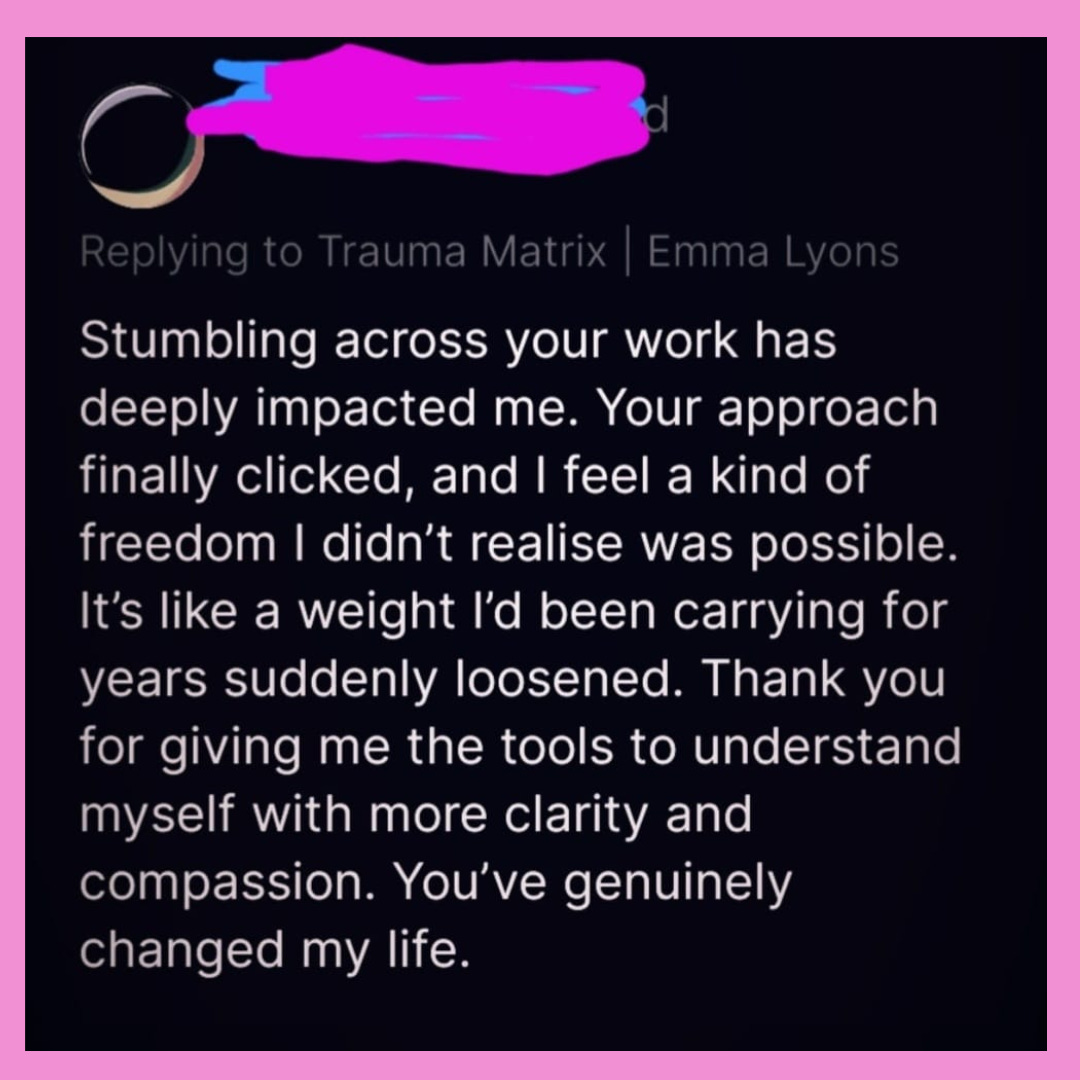
Here’s what someone shared after putting my concepts on releasing internalised shame into practice:
A note on replies: I don't use comments or direct messages for personal processing. This space is for grounded reflection. If you'd like to work with me, please apply via the link above.
This is a statement article, Emma. Thank you so much for it. May people tune into this message and begin to change ... fundamentally. Loved every bit of it, but this cuts to the chase: “Shame hijacks perception. It turns disagreement into threat, questions into attacks, exposure into danger. Once shame is activated, logic and empathy go out the window. This is why arguing never works. You cannot reason with a nervous system that believes it’s under attack. Social media just gives these swarms a megaphone, but this is not limited to the internet.”